- Domain 1. Health Promotion
Health Education

Sedentary Life Style
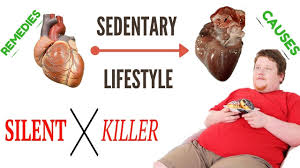
Class 1. Health awareness
- Decreased diversional activity engagement (Nursing Care Plan)
- Readiness for enhanced health literacy
- Sedentary lifestyle (Nursing care Plan)
Class 2. Health management
- Frail elderly syndrome (Nursing care Plan)
- Risk for frail elderly syndrome
- Deficient community health
- Risk-prone health behaviour
- Ineffective health maintenance (Nursing care Plan)
- Ineffective health management
- Readiness for enhanced health management
- Ineffective family health management
- Ineffective protection
- Domain 2. Nutrition
Oral Feeding

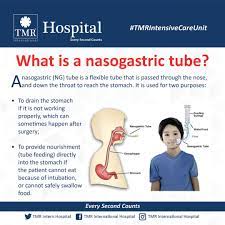
NGT Feeding
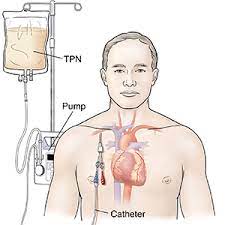
Total Parenteral Nutrition
Class 1. Ingestion
- Imbalanced nutrition: less than body requirements (Nursing care Plan)
- Readiness for enhanced nutrition
- Insufficient breast milk production
- Ineffective breastfeeding (Nursing care Plan)
- Interrupted breastfeeding (Nursing care Plan)
- Readiness for enhanced breastfeeding
- Ineffective adolescent eating dynamics
- Ineffective child eating dynamics
- Ineffective infant feeding dynamics
- Ineffective infant feeding pattern (Nursing care Plan)
- Obesity
- Overweight
- Risk for overweight
- Impaired swallowing (Nursing care Plan)
Class 2. Digestion
This class does not currently contain any diagnoses
Class 3. Absorption
This class does not currently contain any diagnoses
Class 4. Metabolism
- Risk for unstable blood glucose level (Nursing care Plan)
- Neonatal hyperbilirubinemia
- Risk for neonatal hyperbilirubinemia
- Risk for impaired liver function
- Risk for metabolic imbalance syndrome
Class 5. Hydration
- Risk for electrolyte imbalance
- Risk for imbalanced fluid volume
- Deficient fluid volume (Nursing care Plan)
- Risk for deficient fluid volume
- Excess fluid volume (Nursing care Plan)
- Domain 3. Elimination and Exchange
Diarrhea
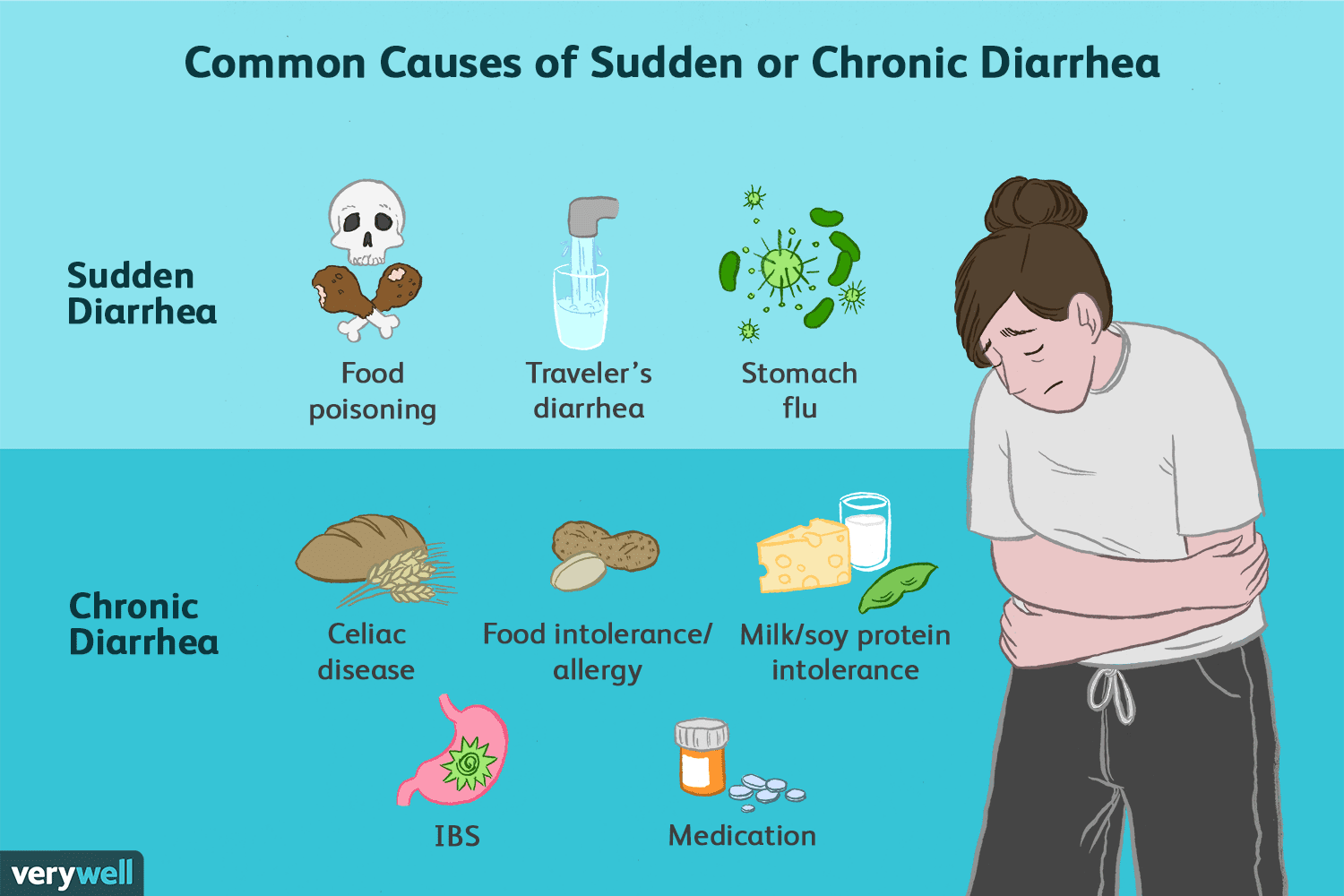
- Chronic Versus Acute Diarrhea
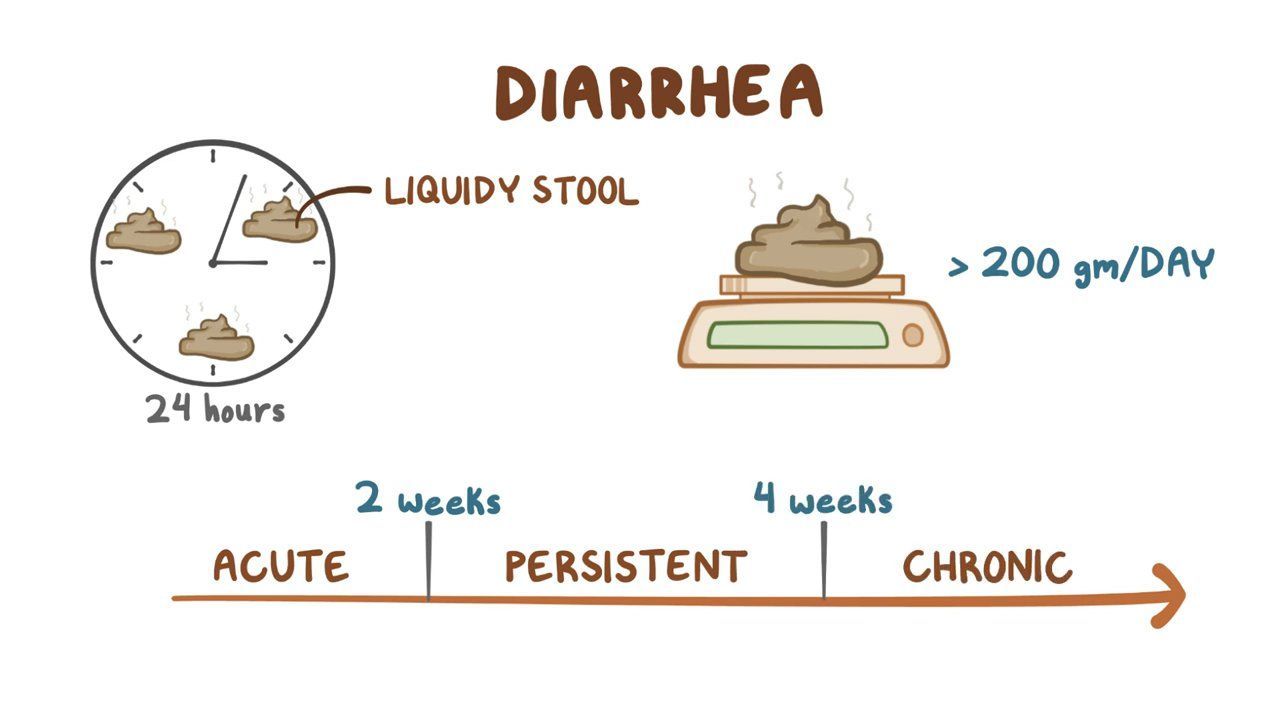
Chronic Versus Acute Diarrhea
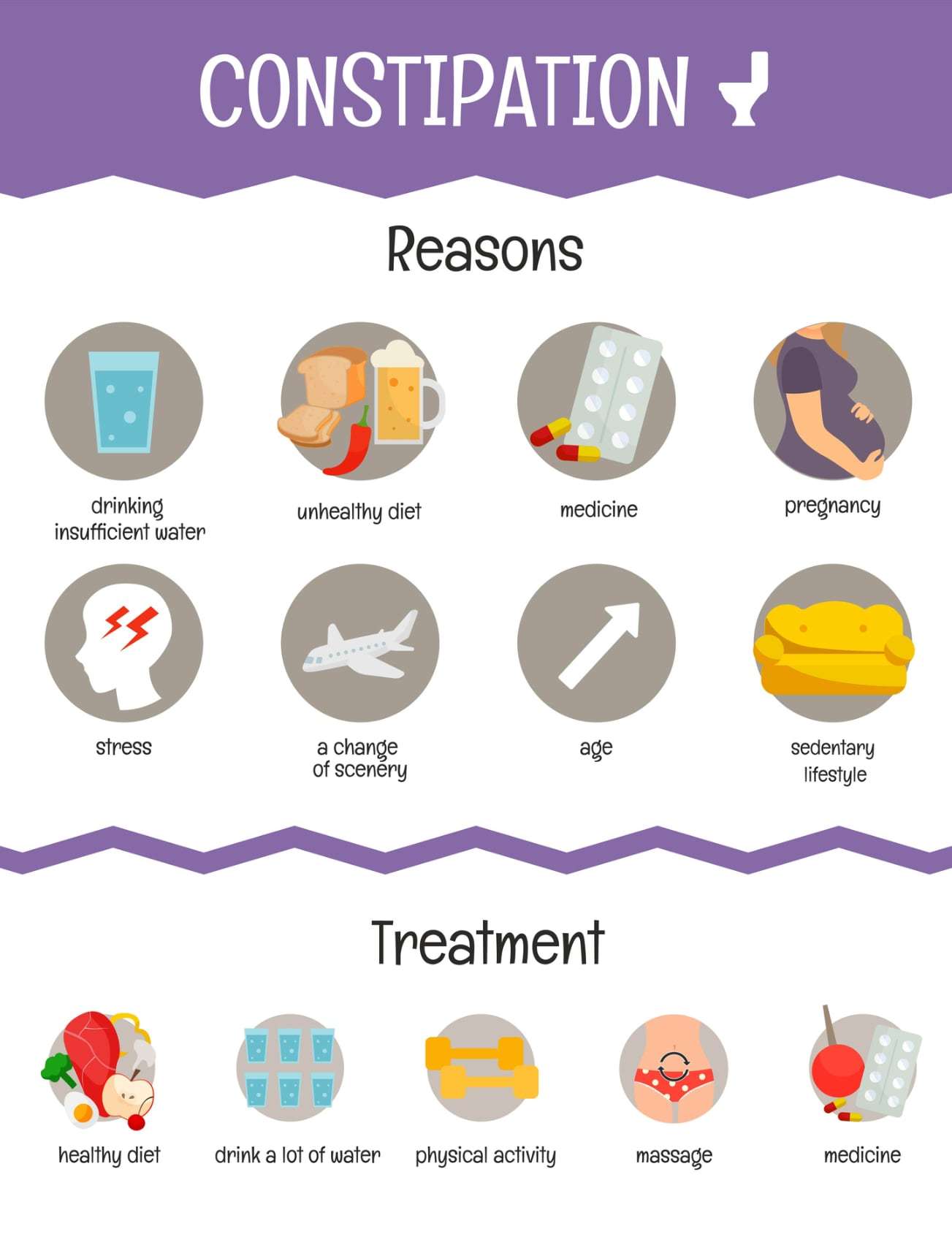
- Constipation
Gaseous Exchange
Oxygen Supplimentation
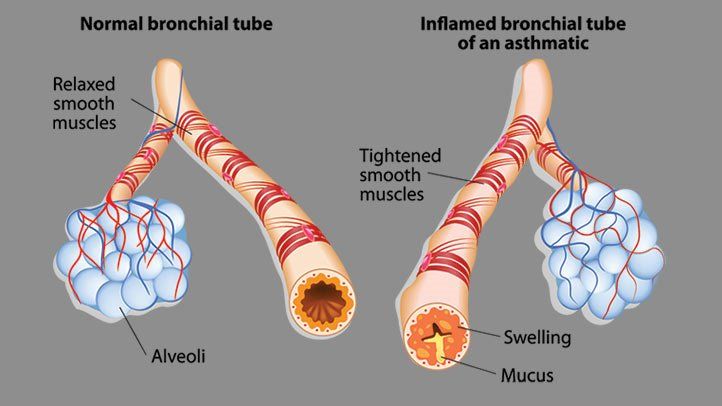
Asthma
Class 1. Urinary function
- Impaired urinary elimination
- Functional urinary incontinence
- Overflow urinary incontinence
- Reflex urinary incontinence
- Stress urinary incontinence
- Urge urinary incontinence
- Risk for urge urinary incontinence
- Urinary retention
Class 2. Gastrointestinal function
- Constipation (Nursing care Plan)
- Risk for constipation
- Perceived constipation
- Chronic functional constipation
- Risk for chronic functional constipation
- Diarrhoea
- Dysfunctional gastrointestinal motility
- Risk for dysfunctional gastrointestinal motility
- Bowel incontinence
Class 3. Integumentary function
This class does not currently contain any diagnoses
Class 4. Respiratory function
- Impaired gas exchange
- Domain 4. Activity/Rest
Sleep
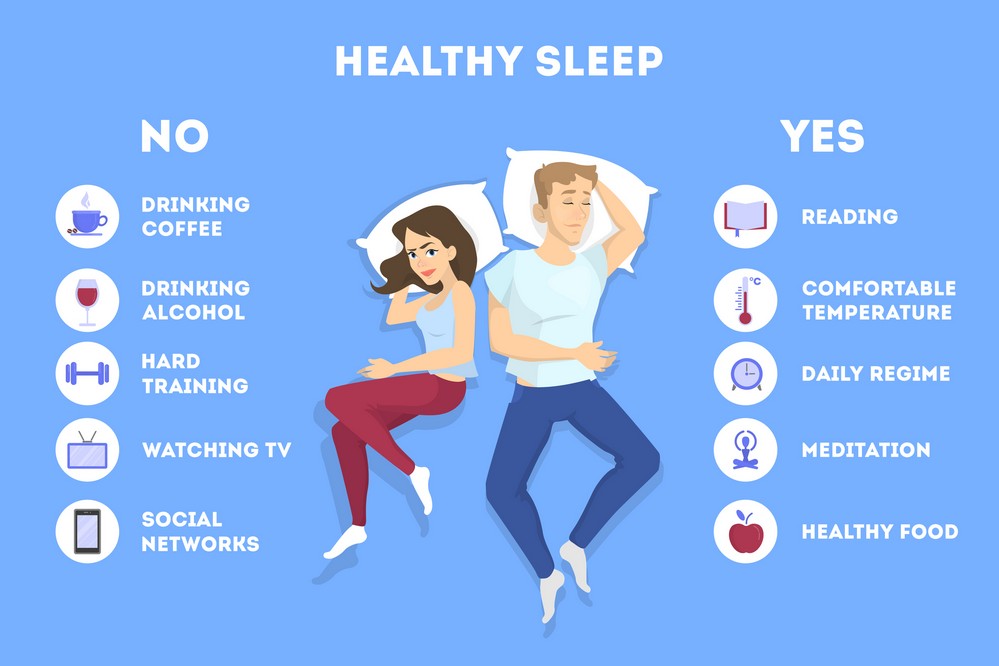
Insomia
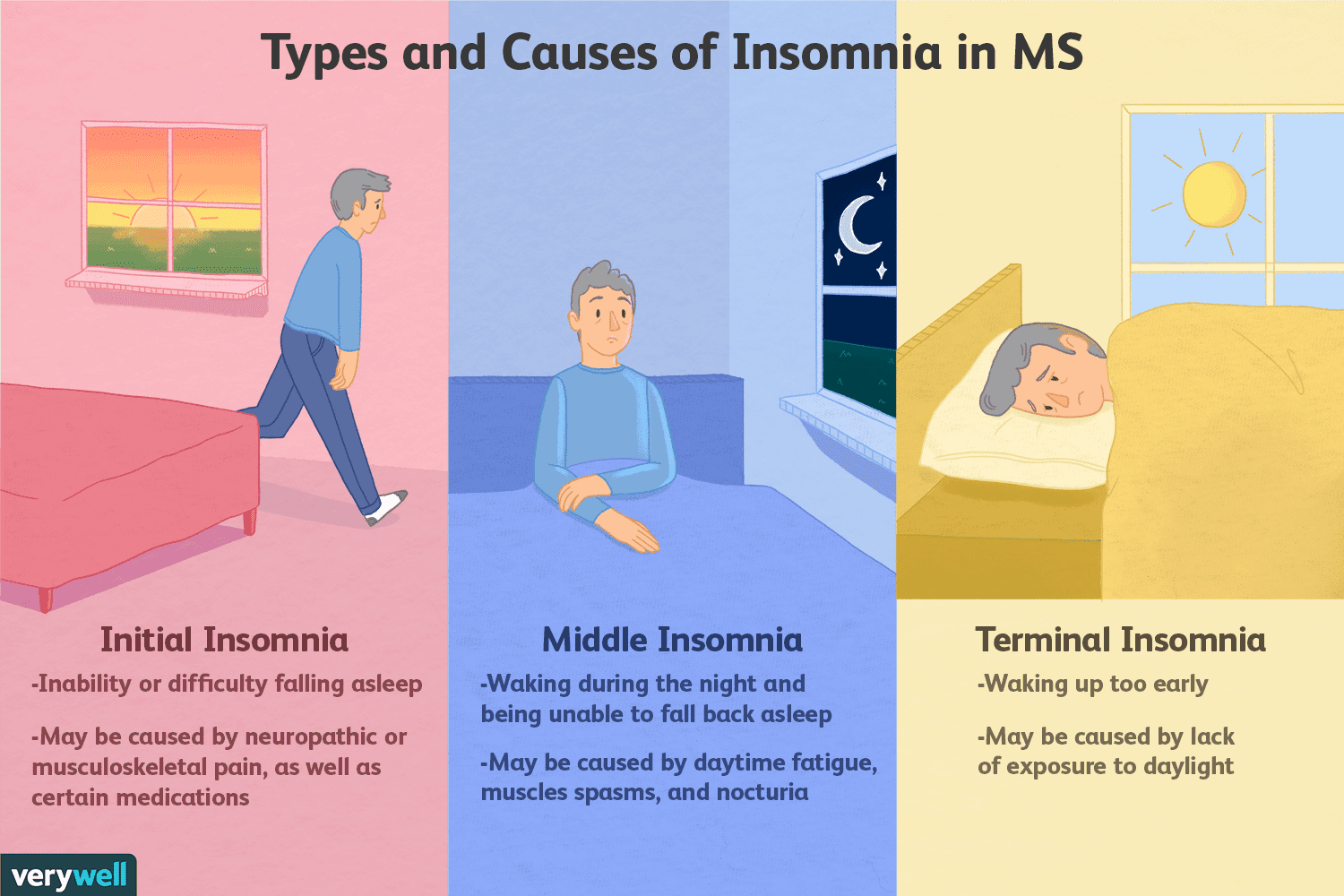
Feeding Self-care Deficit
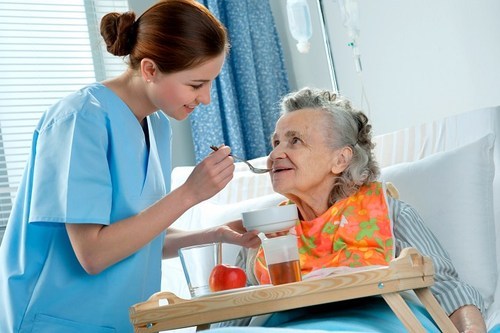
Self-care Deficit
Class 1. Sleep/rest
- Insomnia
- Sleep deprivation
- Readiness for enhanced sleep
- Disturbed sleep pattern
Class 2. Activity/exercise
- Risk for disuse syndrome
- Impaired bed mobility
- Impaired physical mobility
- Impaired wheelchair mobility
- Impaired sitting
- Impaired standing
- Impaired transfer ability
- Impaired walking
Class 3. Energy balance
- Imbalanced energy field
- Fatigue
- Wandering
Class 4. Cardiovascular/pulmonary responses
- Activity intolerance
- Risk for activity intolerance
- Ineffective breathing pattern
- Decreased cardiac output
- Risk for decreased cardiac output
- Impaired spontaneous ventilation
- Risk for unstable blood pressure
- Risk for decreased cardiac tissue perfusion
- Risk for ineffective cerebral tissue perfusion
- Ineffective peripheral tissue perfusion
- Risk for ineffective peripheral tissue perfusion
- Dysfunctional ventilatory weaning response
Class 5. Self-care
- Impaired home maintenance
- Bathing self-care deficit
- Dressing self-care deficit
- Feeding self-care deficit
- Toileting self-care deficit
- Readiness for enhanced self-care
- Self-neglect
- Domain 5.Perception/Cognition
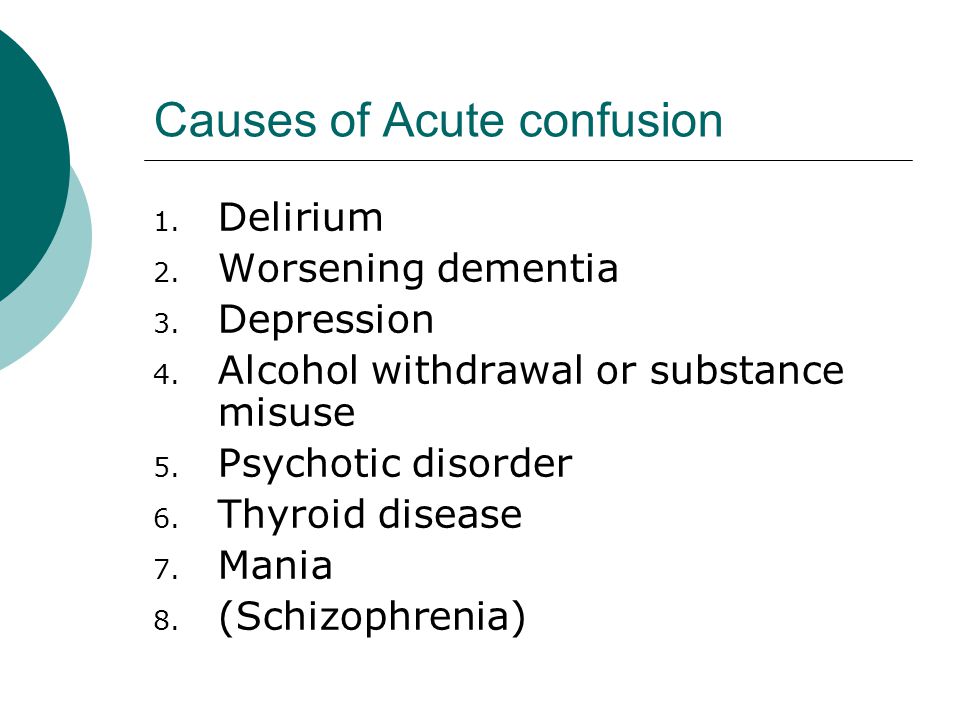
Acute Confusion
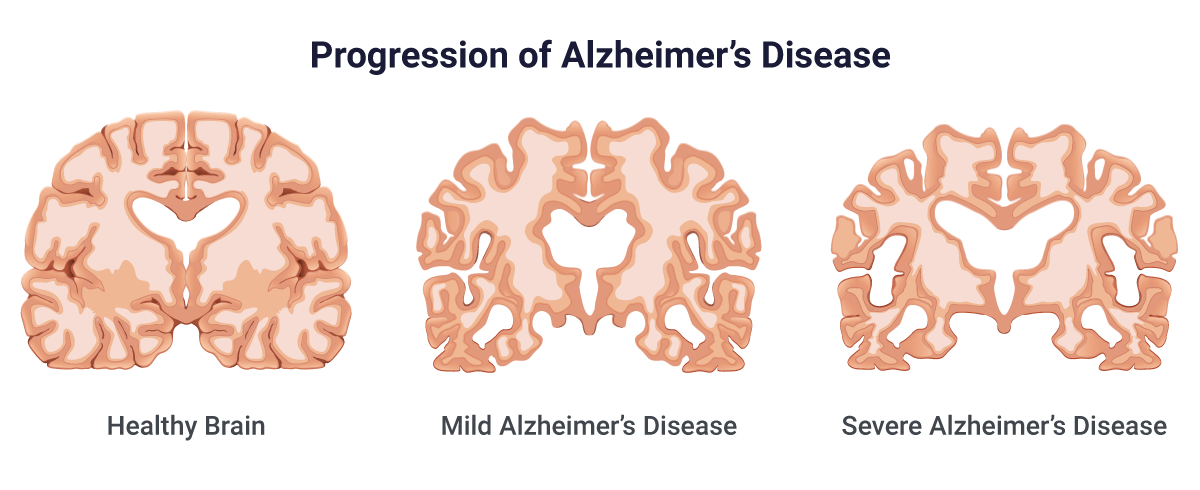
Alzheimers Disease
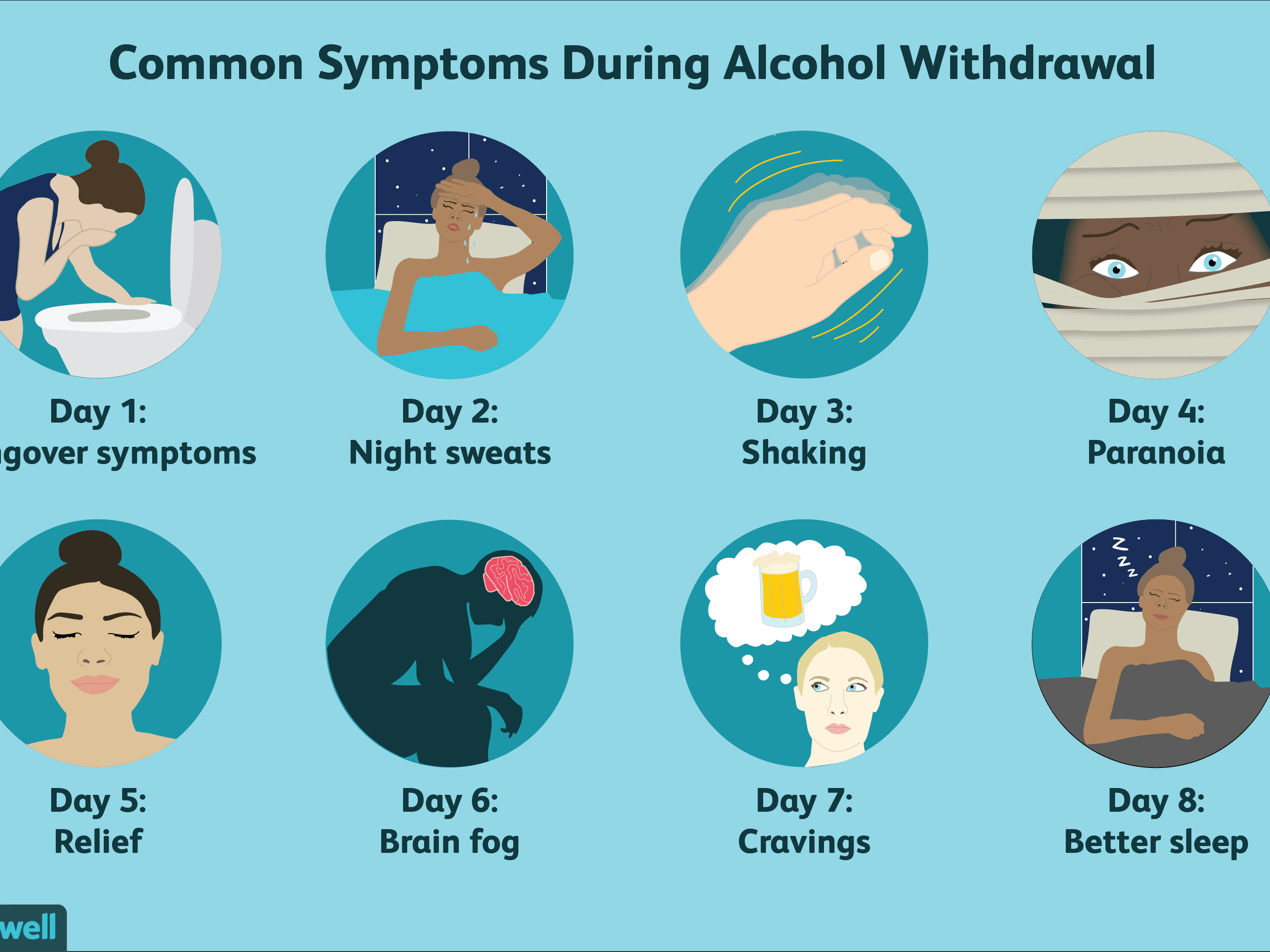
Alcohol Withdrawal
Class 1. Attention
- Unilateral neglect
Class 2. Orientation
This class does not currently contain any diagnoses
Class 3. Sensation/perception
This class does not currently contain any diagnoses
Class 4. Cognition
- Acute confusion
- Risk for acute confusion
- Chronic confusion
- Labile emotional control
- Ineffective impulse control
- Deficient knowledge
- Readiness for enhanced knowledge
- Impaired memory
Class 5. Communication
- Readiness for enhanced communication
- Impaired verbal communication
- Domain 6. Self Perception
Depression
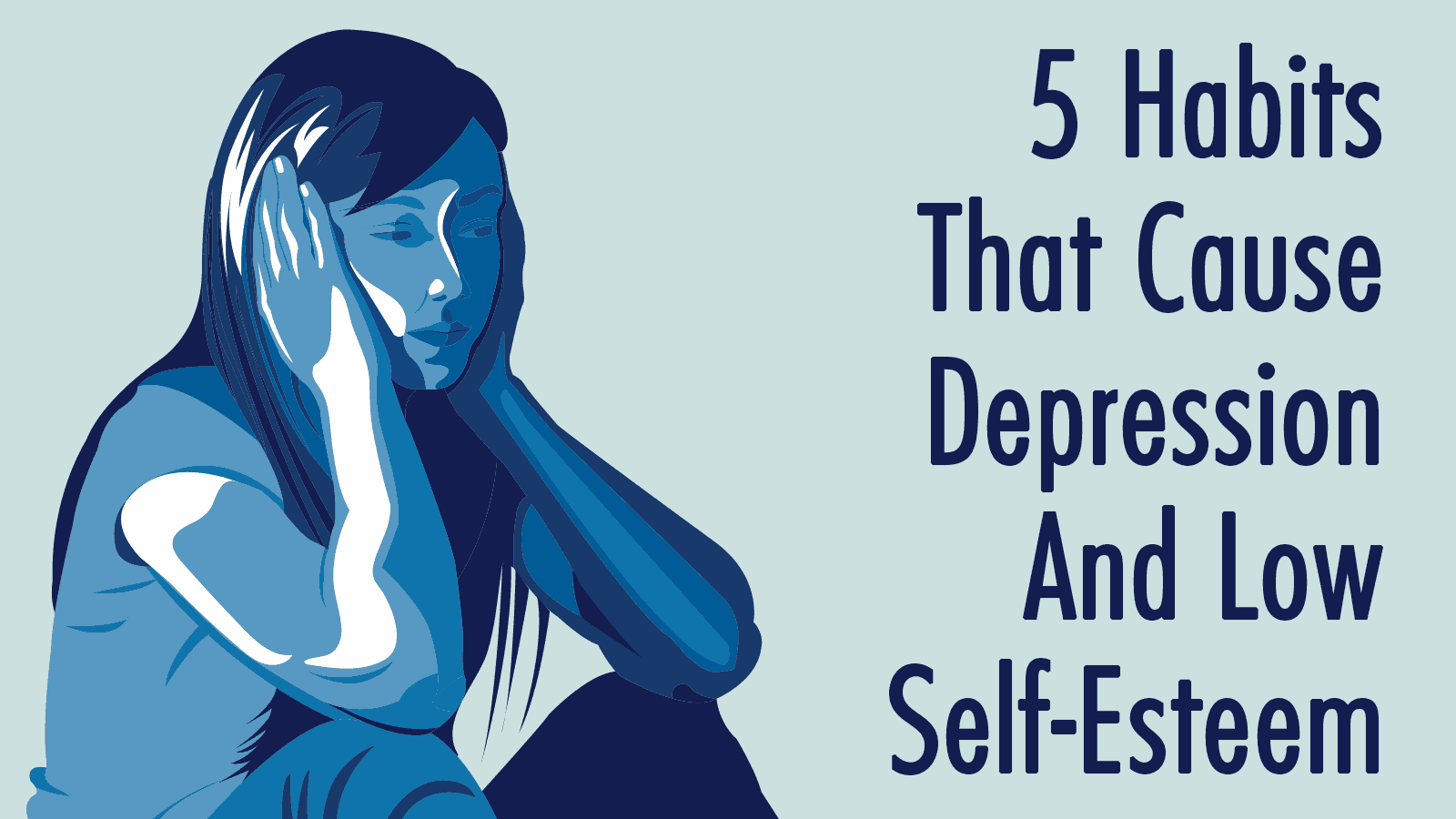
Low Self Esteem

Acne Vulgaris
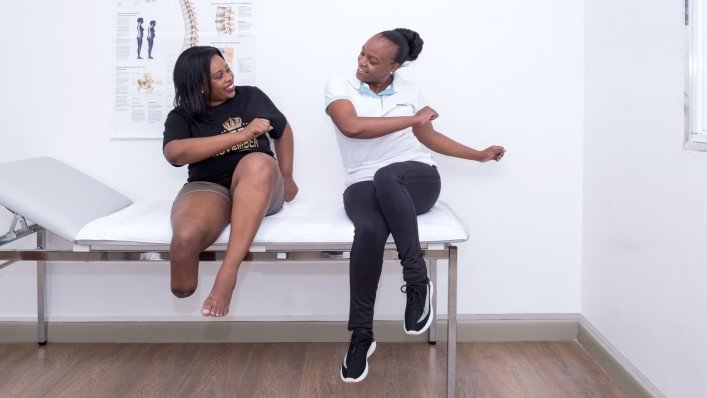
Amputation
Class 1. Self-concept
- Hopelessness
- Readiness for enhanced hope
- Risk for compromised human dignity
- Disturbed personal identity
- Risk for disturbed personal identity
- Readiness for enhanced self-concept
Class 2. Self-esteem
- Chronic low self-esteem
- Risk for chronic low self-esteem
- Situational low self-esteem
- Risk for situational low self-esteem
Class 3. Body image
- Disturbed body image
- Domain 7. Role relationship
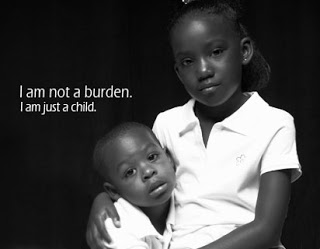
Child Abandonment
Wife battering
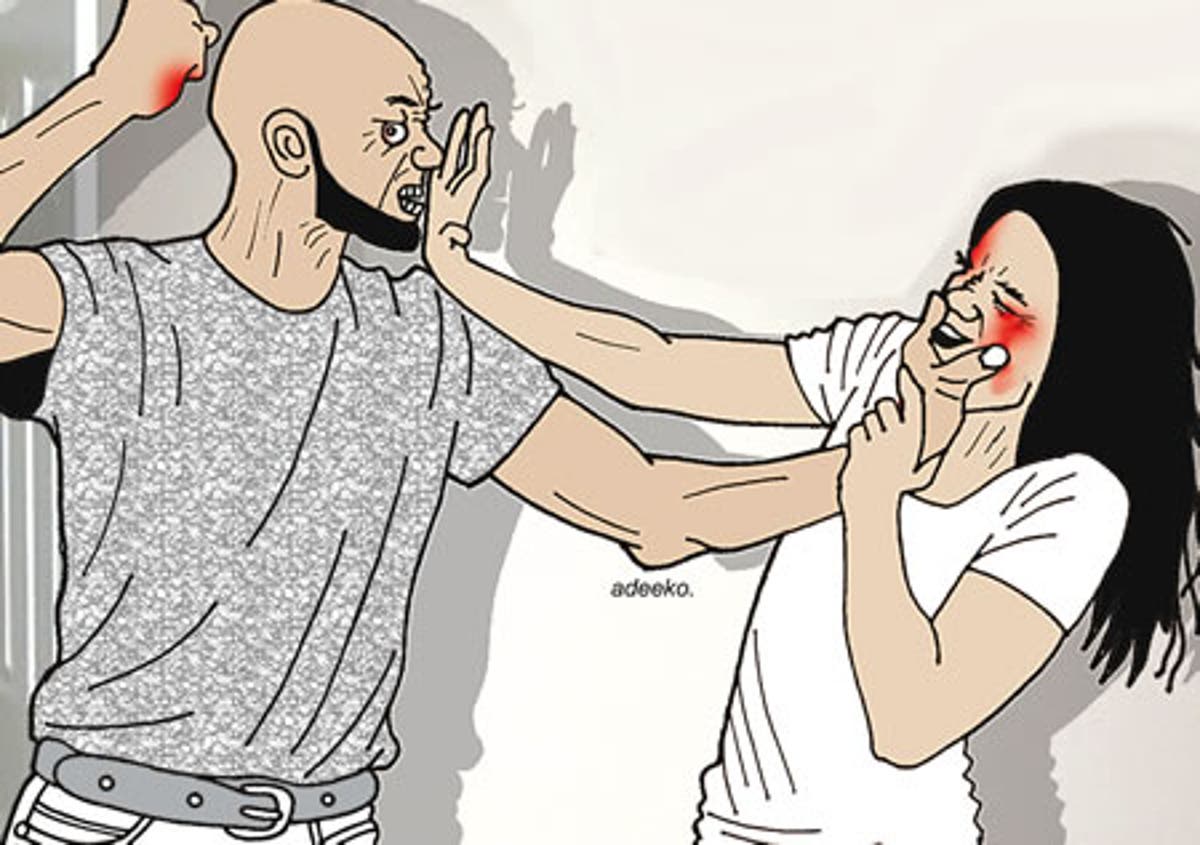
Rape

Class 1. Caregiving roles
- Caregiver role strain
- Risk for caregiver role strain
- Impaired parenting
- Risk for impaired parenting
- Readiness for enhanced parenting
Class 2. Family relationships
- Risk for impaired attachment
- Dysfunctional family processes
- Interrupted family processes
- Readiness for enhanced family processes
Class 3. Role performance
- Ineffective relationship
- Risk for ineffective relationship
- Readiness for enhanced relationship
- Parental role conflict
- Ineffective role performance
- Impaired social interaction
- Domain 8. Sexuality
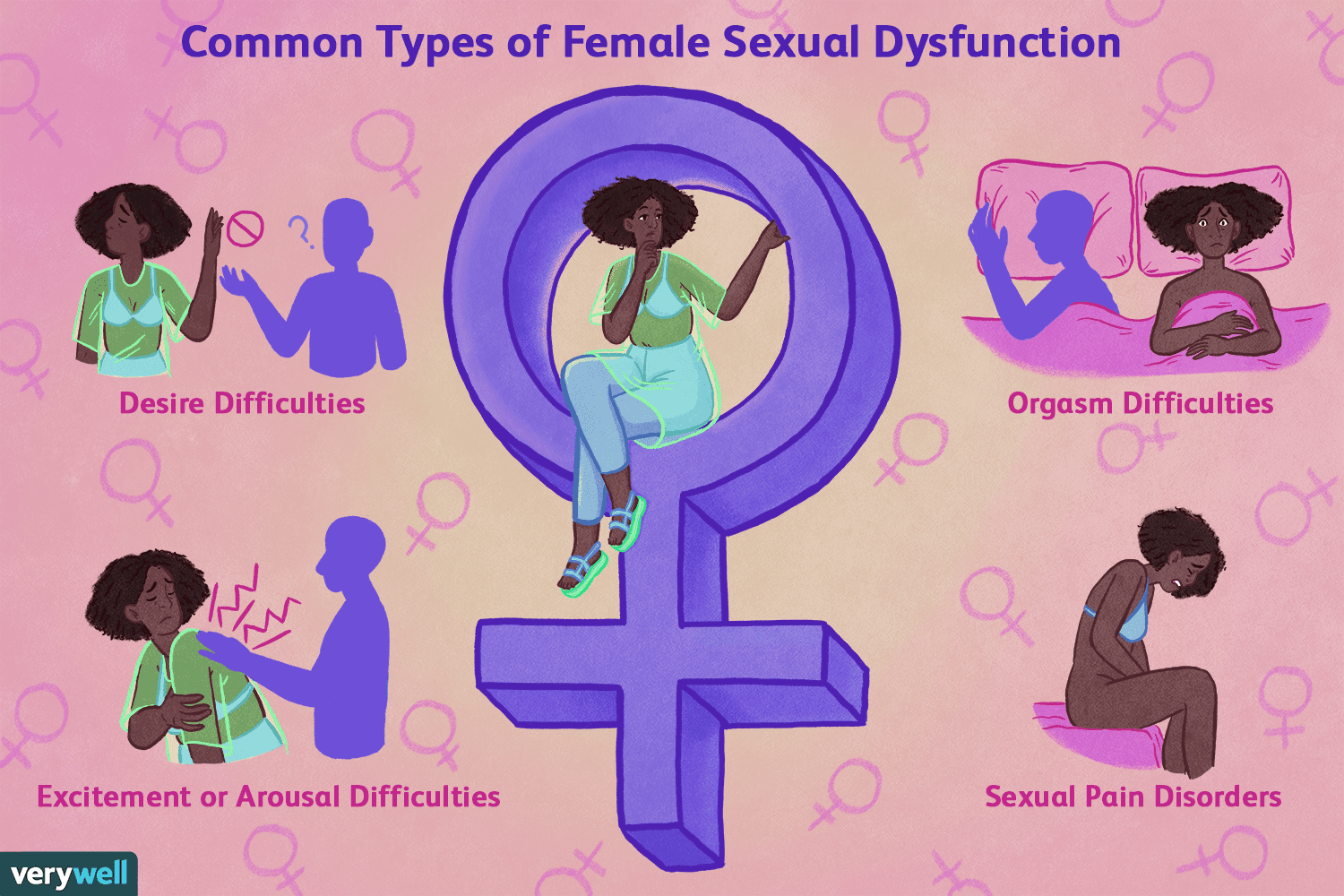
Female Sexual Dysfunction
Male Sexual Dysfunction
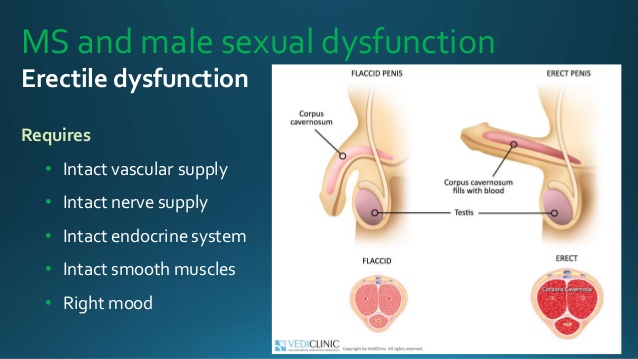
Male Sexual Dysfunction

Fertilization
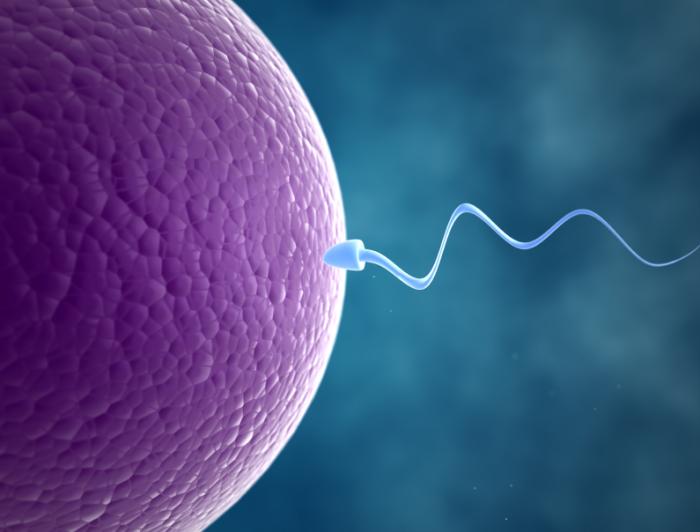
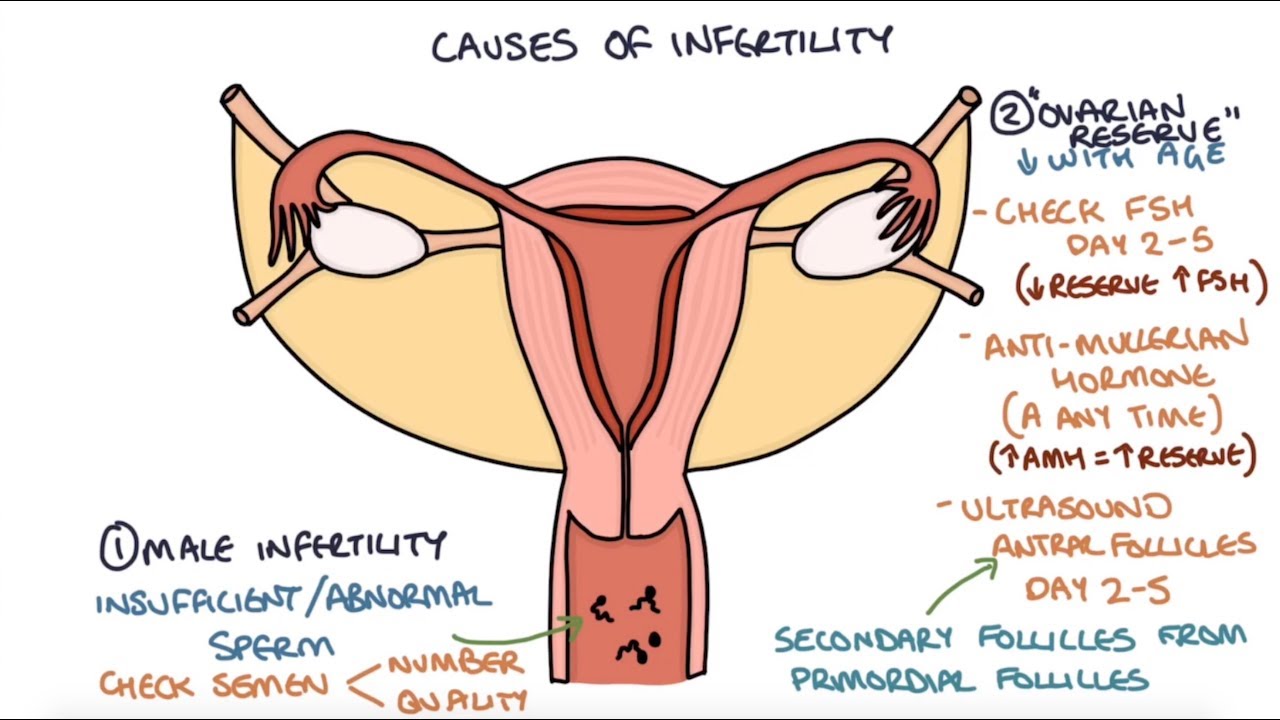
Conception Difficulties
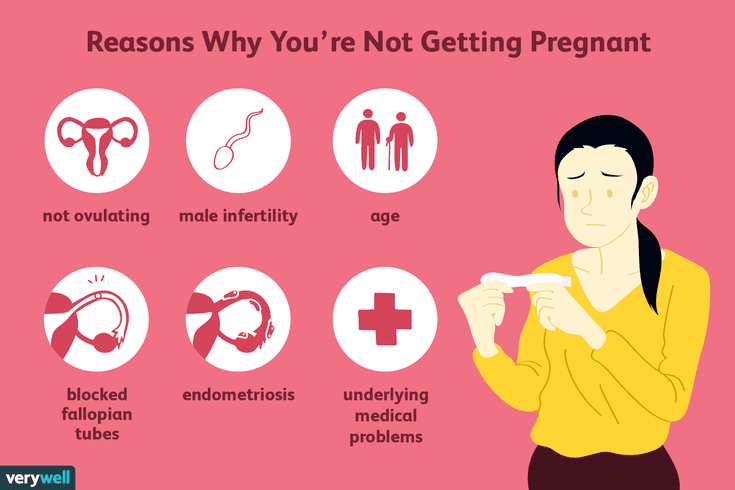
Infertility
Class 1. Sexual identity
This class does not currently contain any diagnoses
Class 2. Sexual function
- Sexual dysfunction
- Ineffective sexuality pattern
Class 3. Reproduction
- Ineffective childbearing process
- Risk for ineffective childbearing process
- Readiness for enhanced childbearing process
- Risk for disturbed maternal-fetal dyad
- Domain 9. Coping/Stress Tolerance
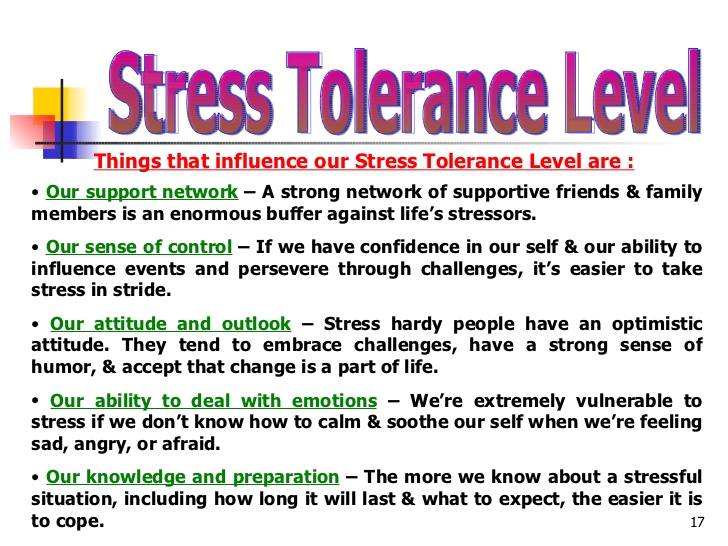
Stress Management
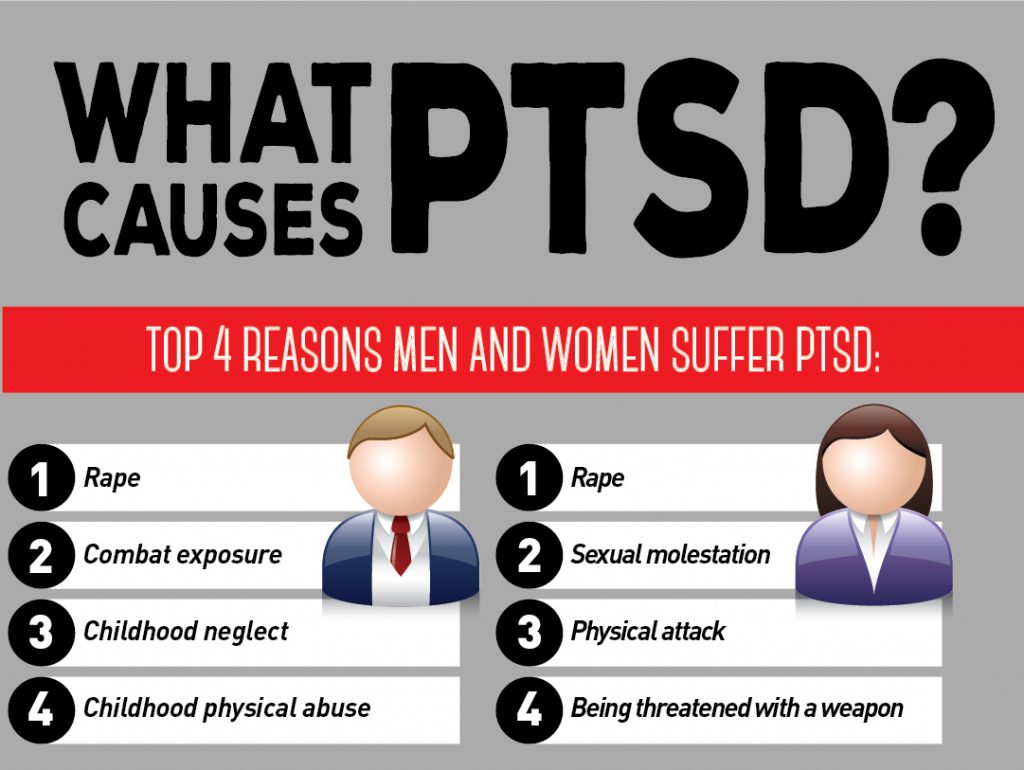
PTSD
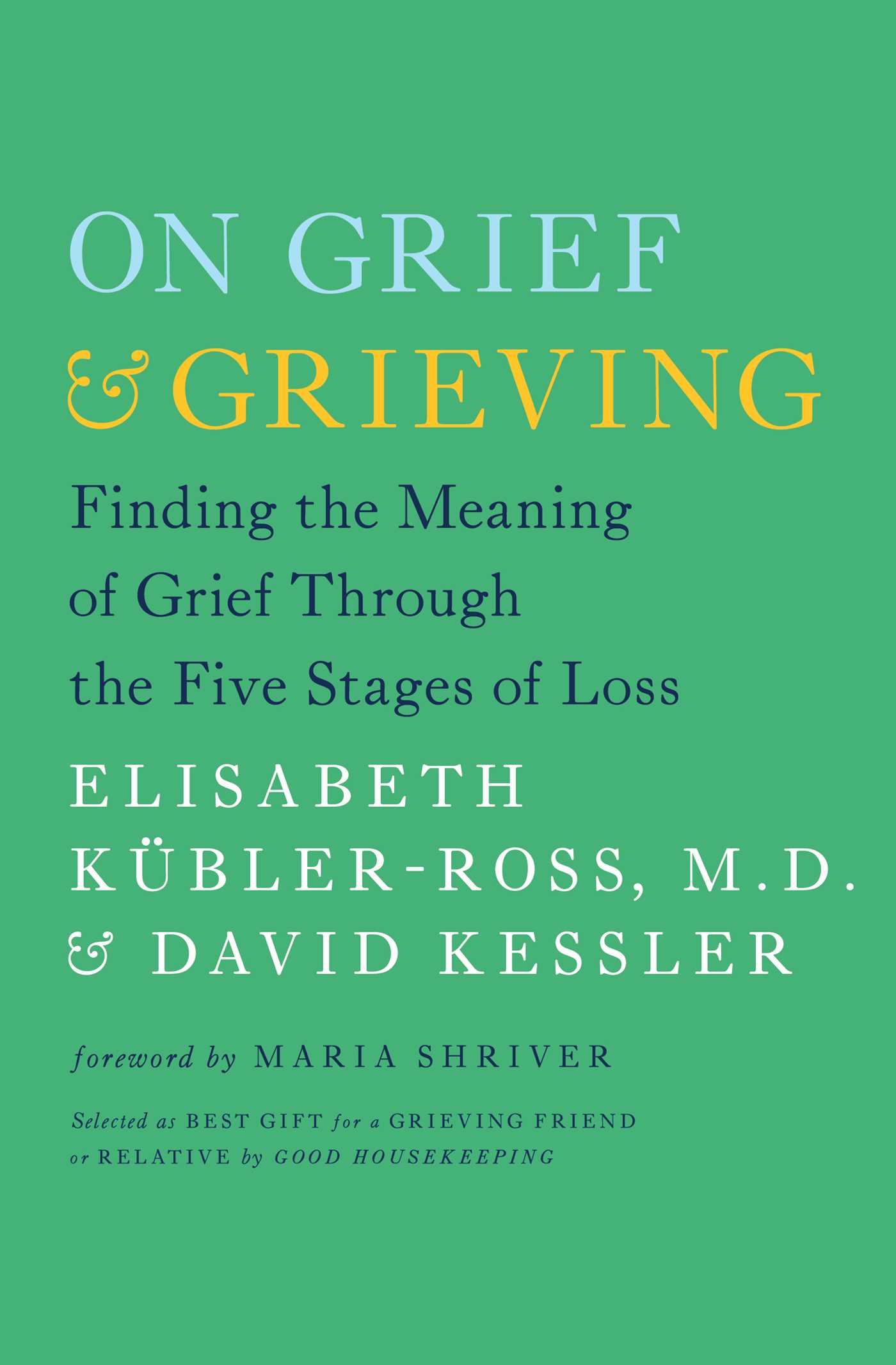
Grief
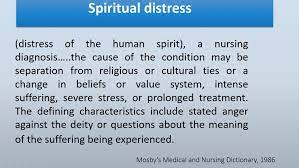
Spiritual Distress
Class 1. Post-trauma responses
- Risk for complicated immigration transition
- Post-trauma syndrome
- Risk for post-trauma syndrome
- Rape-trauma syndrome
- Relocation stress syndrome
- Risk for relocation stress syndrome
Class 2. Coping responses
- Ineffective activity planning
- Risk for ineffective activity planning
- Anxiety (Nursing Care Plan)
- Defensive coping
- Ineffective coping
- Readiness for enhanced coping
- Ineffective community coping
- Readiness for enhanced community coping
- Compromised family coping
- Disabled family coping
- Readiness for enhanced family coping
- Death anxiety
- Ineffective denial
- Fear
- Grieving
- Complicated grieving
- Risk for complicated grieving
- Impaired mood regulation
- Powerlessness
- Risk for powerlessness
- Readiness for enhanced power
- Impaired resilience
- Risk for impaired resilience
- Readiness for enhanced resilience
- Chronic sorrow
- Stress overload
Class 3. Neurobehavioral stress
- Acute substance withdrawal syndrome
- Risk for acute substance withdrawal syndrome
- Autonomic dysreflexia
- Risk for autonomic dysreflexia
- Decreased intracranial adaptive capacity
- Neonatal abstinence syndrome
- Disorganized infant behaviour
- Risk for disorganized infant behaviour
- Readiness for enhanced organized infant behavior
- Domain 10. Life Principles
Decision Making
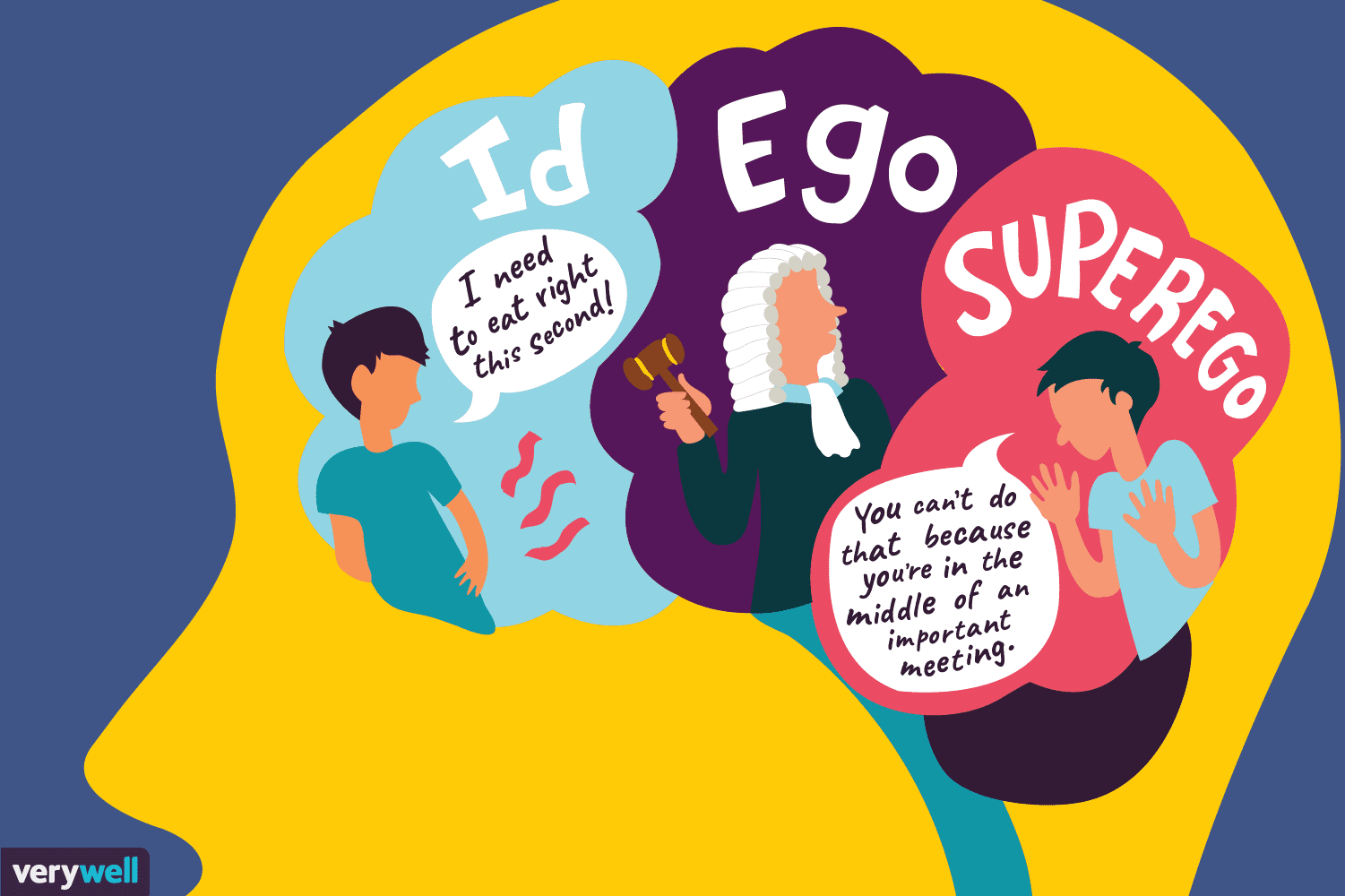
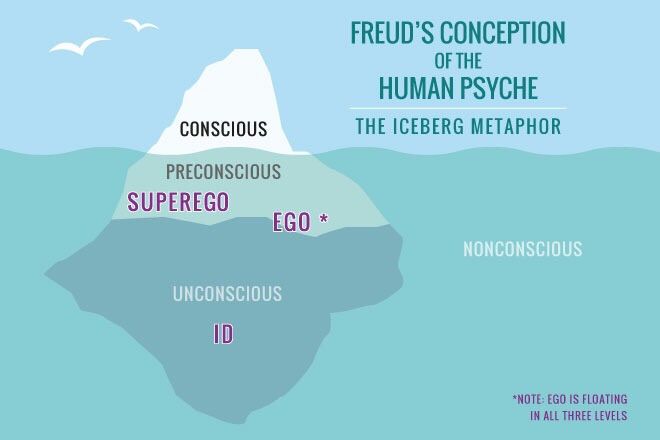
Human Psyche
Class 1. Values
This class does not currently contain any diagnoses
Class 2. Beliefs
Readiness for enhanced spiritual well-being
Class 3. Value/belief/action congruence
- Readiness for enhanced decision-making
- Decisional conflict
- Impaired emancipated decision-making
- Risk for impaired emancipated decision-making
- Readiness for enhanced emancipated decision-making
- Moral distress
- Impaired religiosity
- Risk for impaired religiosity
- Readiness for enhanced religiosity
- Spiritual distress
- Risk for spiritual distress
- Domain 11. Safety/Protection
Physical Environment Safety
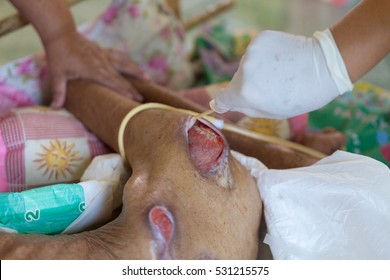
Pressure Sores
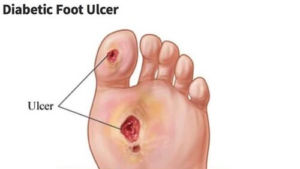
Diabetic Foot
Class 1. Infection
- Risk for infection
- Risk for surgical site infection
Class 2. Physical injury
- Ineffective airway clearance
- Risk for aspiration
- Risk for bleeding (Nursing Care plan)
- Impaired dentition
- Risk for dry eye
- Risk for dry mouth
- Risk for falls
- Risk for corneal injury
- Risk for injury
- Risk for urinary tract injury
- Risk for perioperative positioning injury
- Risk for thermal injury
- Impaired oral mucous membrane integrity
- Risk for impaired oral mucous membrane integrity
- Risk for peripheral neurovascular dysfunction
- Risk for physical trauma
- Risk for vascular trauma
- Risk for pressure ulcer
- Risk for shock
- Impaired skin integrity (Nursing Care Plan)
- Risk for impaired skin integrity
- Risk for sudden infant death
- Risk for suffocation
- Delayed surgical recovery
- Risk for delayed surgical recovery
- Impaired tissue integrity
- Risk for impaired tissue integrity
- Risk for venous thromboembolism
Class 3. Violence
- Risk for female genital mutilation
- Risk for other-directed violence
- Risk for self-directed violence
- Self-mutilation
- Risk for self-mutilation
- Risk for suicide
Class 4. Environmental hazards
- Contamination
- Risk for contamination
- Risk for occupational injury
- Risk for poisoning
Class 5. Defensive processes
- Risk for adverse reaction to iodinated contrast media
- Risk for allergy reaction
- Latex allergy reaction
- Risk for latex allergy reaction
Class 6. Thermoregulation
- Hyperthermia
- Hypothermia
- Risk for hypothermia
- Risk for perioperative hypothermia
- Ineffective thermoregulation
- Risk for ineffective thermoregulation

- Domain 12. Comfort
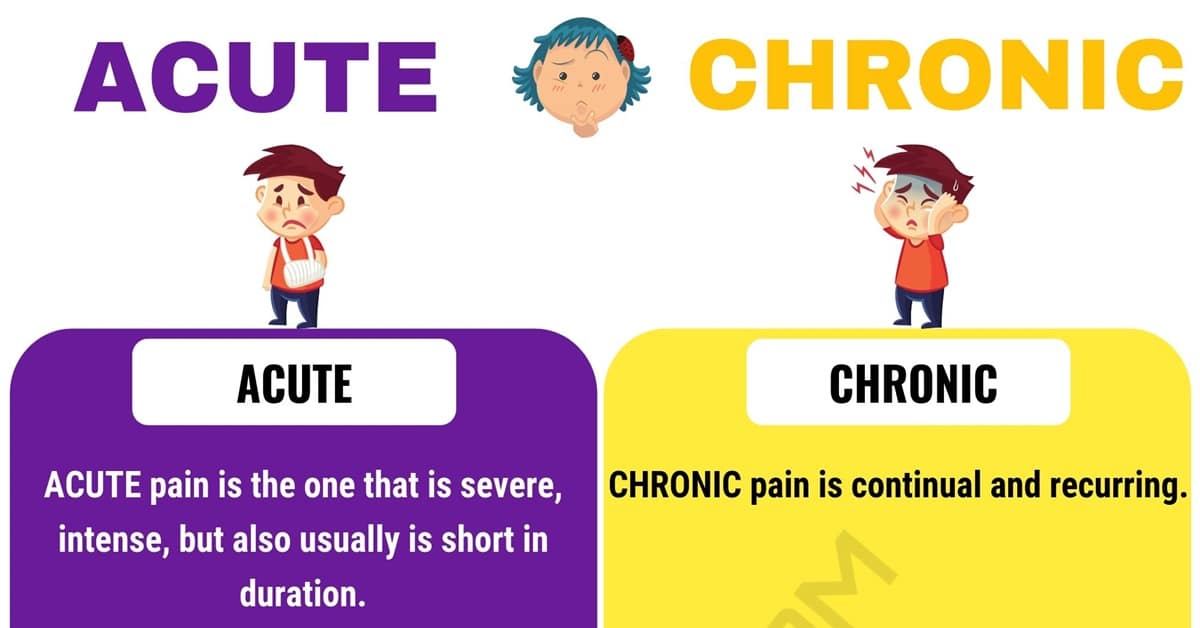
Acute Versus Chronic Pain
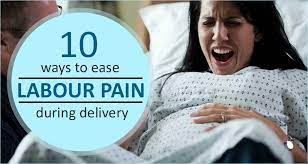
Labour Pain
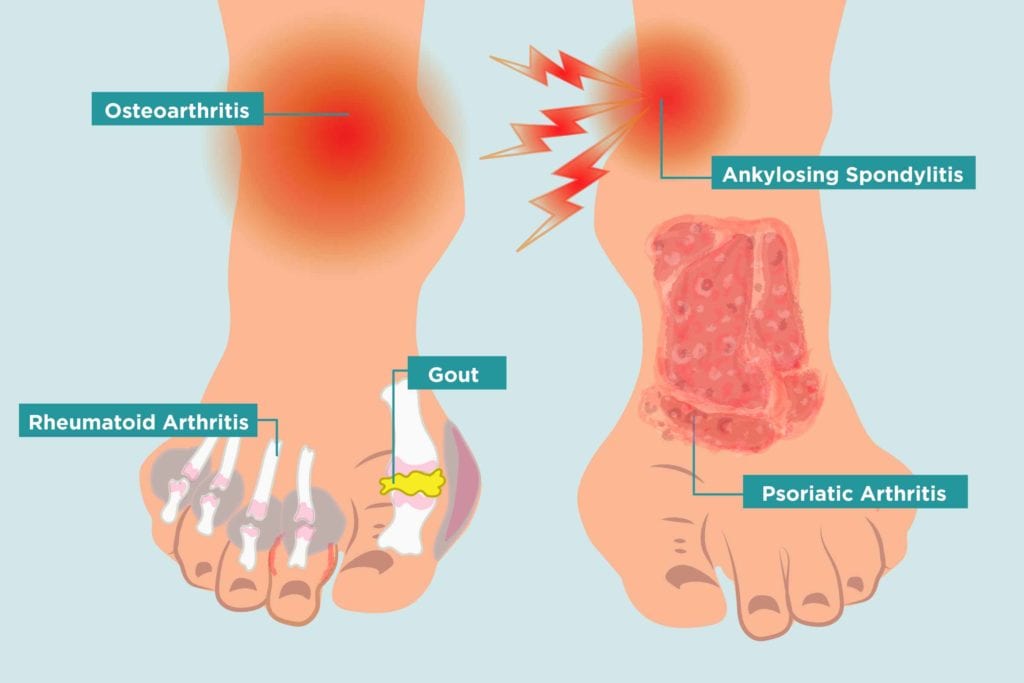
Joint Pain
Class 1. Physical comfort
- Impaired comfort
- Readiness for enhanced comfort
- Nausea
- Acute pain
- Chronic pain
- Chronic pain syndrome
- Labor pain
Class 2. Environmental comfort
- Impaired comfort
- Readiness for enhanced comfort
Class 3. Social comfort
- Impaired comfort
- Readiness for enhanced comfort
- Risk for loneliness
- Social isolation
- Domain 13. Growth/Development
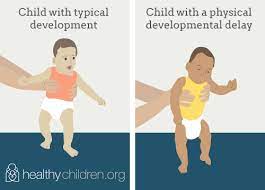
Child Development
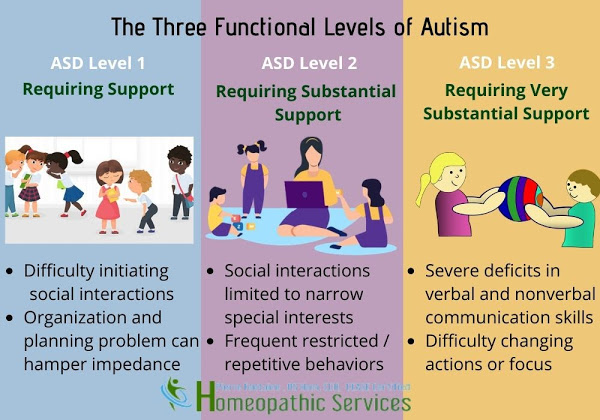
Autism
Class 1. Growth
This class does not currently contain any diagnoses
Class 2. Development
- Risk for delayed development